Why Embroidery on T-Shirts Still Matters in a Digital Age
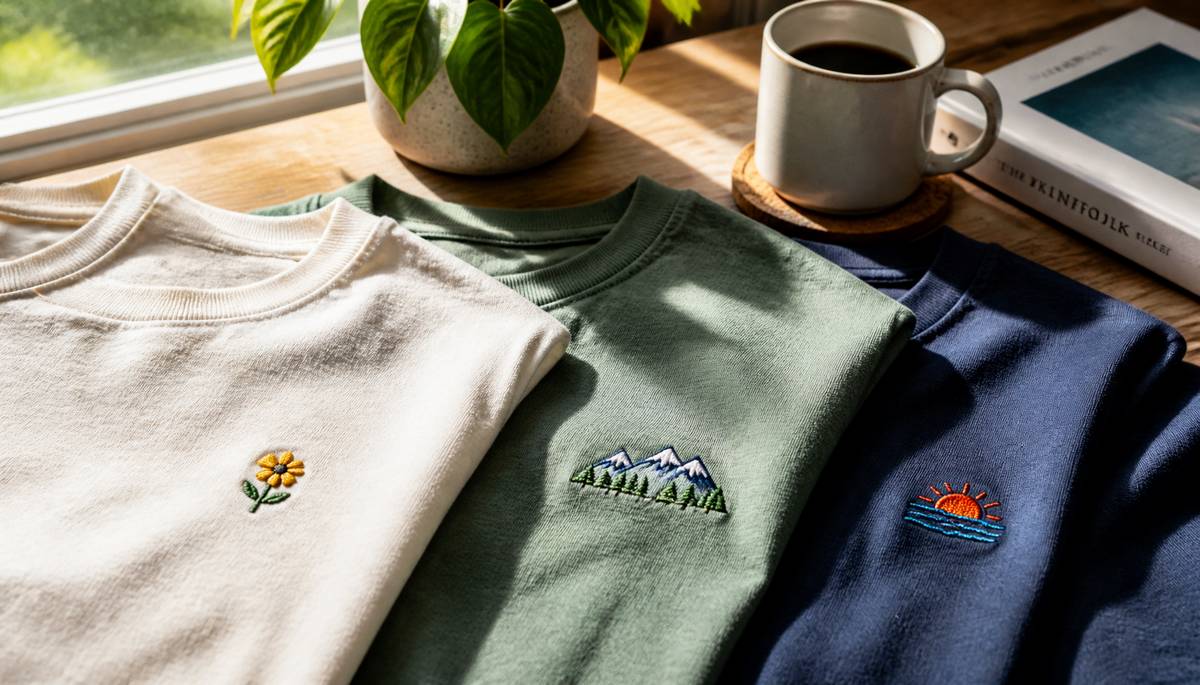 Somewhere between the glowing rectangle in your hand and the algorithm deciding what you’ll see next, clothing has quietly become flatter. Screens dominate how style is consumed, judged, and purchased, yet what people actually wear still lives in the physical world, brushing against skin, catching light, and aging with use. Embroidery on T-shirts persists because it refuses to exist only as an image. It insists on being felt.
Unlike printed graphics, stitched designs introduce resistance. Fingers pause when they encounter raised thread. Eyes register shadows where fabric dips and lifts. This interruption is small, but it matters. In a digital age built for frictionless scrolling, embroidery reintroduces texture as a form of attention. It asks for a moment longer than a glance.
Texture as a Psychological Shortcut
Texture triggers a response long before logic gets involved. Neuroscience and design psychology both point to the same truth: humans associate texture with effort, care, and authenticity. A stitched detail implies time spent, hands involved, and decisions made slowly. Even when produced at scale, embroidery carries the visual language of patience.
This is why an embroidered T-shirt often feels more personal than a printed one, even if the design itself is simple. A tiny flower, symbol, or phrase rendered in thread feels deliberate rather than loud. It doesn’t shout from across the room. It waits to be noticed.
Serious fashion houses have understood this for decades. What’s changed is where that thinking shows up. Embroidery has moved from formalwear and heritage garments into casual clothing without losing its psychological weight. The message remains the same: someone cared enough to add depth.
Small Details Carry Outsized Meaning
A T-shirt is one of the most neutral garments imaginable. It starts life as a blank rectangle with sleeves. That neutrality is precisely why embroidery works so well on it. The contrast between simplicity and detail creates tension, and tension creates interest.
An embroidered element doesn’t need to dominate the garment to matter. In fact, it often works best when it doesn’t. A motif near the collarbone, a symbol at the hem, or a quiet mark over the heart can feel more intentional than a full-chest graphic. These placements suggest confidence rather than a need for attention.
There’s also a longevity factor at play. Printed designs fade, crack, and peel. Embroidery ages differently. Threads soften. Edges relax. The garment records time instead of fighting it. This subtle aging process contributes to emotional attachment, which is something fast fashion rarely achieves.
Digital Speed Versus Physical Slowness
The pace of digital culture rewards immediacy. Trends appear, peak, and disappear before most people finish their coffee. Embroidery resists this cycle by nature. It cannot be rushed without looking rushed.
That slowness communicates restraint. Wearing an embroidered T-shirt in a sea of hyper-graphic prints can feel like opting out of noise. It’s a quiet flex, though it would never call itself that.
This isn’t nostalgia masquerading as taste. It’s a practical response to saturation. When everything competes for attention, subtlety becomes memorable.
Embroidery as Identity Without the Billboard Effect
Personal style often walks a tightrope between expression and exhaustion. Say too much and it feels performative. Say nothing and it disappears. Embroidery lands comfortably in the middle. It offers identity without turning the wearer into a walking announcement.
This is especially relevant in casual clothing, where the line between comfortable and careless can be thin. A stitched element nudges a T-shirt out of the purely functional category and into something considered. It suggests taste without demanding applause.
There’s also a quiet intelligence to embroidered symbolism. Because details are smaller, meanings can be layered. A design might be decorative at first glance and personal at second. That second layer doesn’t need to be explained. It exists for the wearer first, and anyone else only if they’re paying attention.
Why Hands Still Matter in a Touchscreen World
Even when machines assist in the process, embroidery retains a visual connection to manual craft. Thread behaves differently than ink. It curves, overlaps, and occasionally rebels. Those imperfections create character.
From a serious perspective, this matters because people are increasingly disconnected from how things are made. Clothing arrives via delivery trucks and returns in resealable bags. Embroidery offers a visible reminder that materials were manipulated, not just processed.
This tactile honesty stands in contrast to the smooth perfection of digital interfaces. Screens erase evidence of effort. Embroidery displays it proudly, sometimes even a little unevenly, which is part of the charm.
Elevating the Everyday Without Overthinking It
Not every garment needs a backstory, and not every outfit needs to say something profound. Embroidered T-shirts work because they don’t require either. They elevate the everyday quietly.
They pair well with almost anything because they aren’t trying too hard. Jeans, tailored trousers, skirts, jackets that may or may not have been ironed recently — embroidery doesn’t mind. It adapts.
There is also a practical humor in this restraint. A tiny stitched detail can look thoughtful even when the rest of the outfit was assembled in under thirty seconds. It’s the sartorial equivalent of looking prepared while running late.
Stitch Please
Embroidery on T-shirts continues to matter because it reconnects clothing with physical presence. It slows things down just enough to be noticed. It introduces texture into a culture obsessed with flatness. It allows meaning without noise and craft without ceremony.
In a digital age where style often exists first as an image, embroidery reminds everyone that clothing is still something you wear, not just something you scroll past. Threads don’t buffer. They don’t need updates. They simply sit there, doing their quiet work, one stitch at a time.
|
|

